NGOs and international bodies.
Every funder wants a different proposal and a different report.
Where we would start: Funding finder and proposal drafts. Watches CSR and grant calls, scores each against your work, and drafts the proposal from your past wins and programme data for the programme lead to edit.
An NGO's grant proposal lists every funder requirement and answers each with evidence from its annual reports.
Safe to say yes, in writing.
-
“I'll pay and nothing will work.”It has to pass on your old work before it touches today's.20 of your past jobs, then live18 of 20 approved without changesFive working days of approved live workYour sponsor's written yes
-
“The price will creep.”One fixed price, in writing, before any work.Your proposalThe plan: one priceEach build: one priceThe run: a monthly fee
-
“I'll be locked in.”Stop any month and keep everything.JanFebMarAprstopMayJunThe month you stop, you keepEvery account, in your company's nameEvery line of codePlain files and a runbook
Your week, as it runs today.
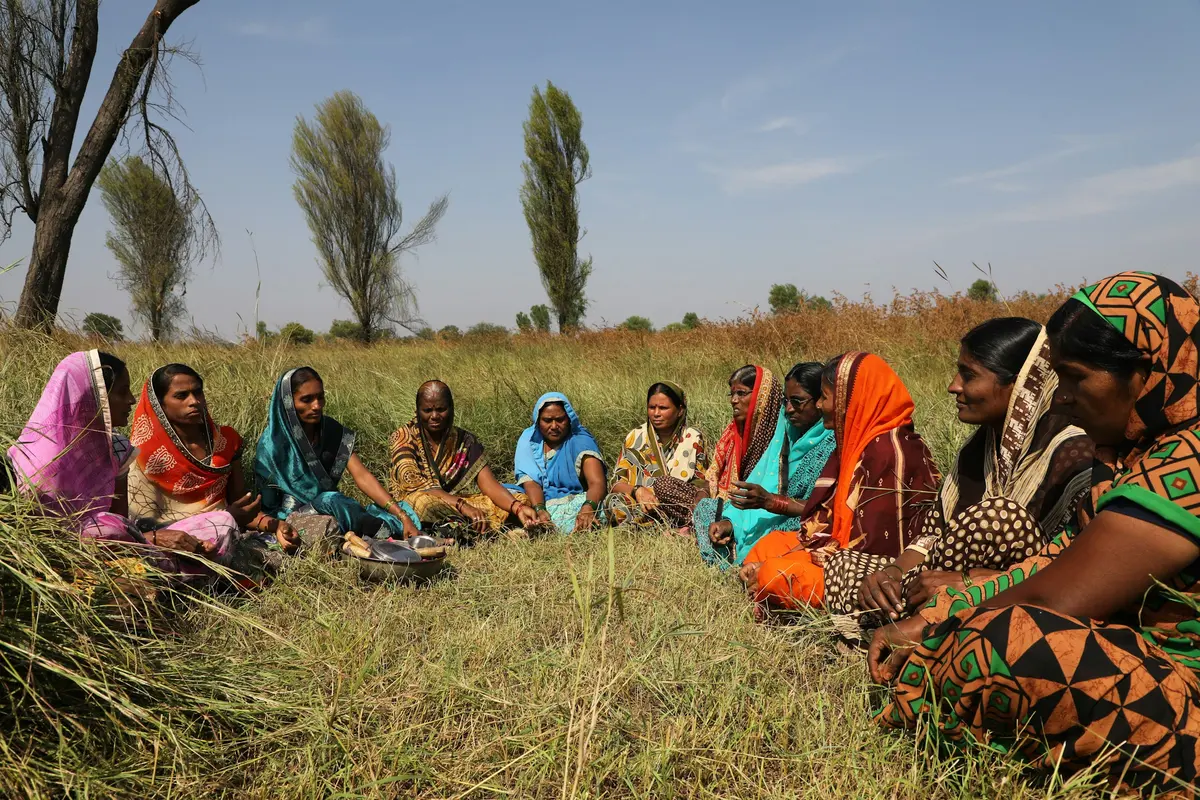
NGOs and international bodies run on grants, CSR funds and donations, and Indian companies alone spent about Rs 34,909 crore on CSR in 2023-24 (National CSR Portal). Funding depends on proposals that win and reports that prove impact, and foreign funding needs an FCRA registration, which MHA data shows has been cancelled for 20,711 organisations against about 16,000 that hold one. The work is programmes in the field, data from many places and languages, proposals, reports, donors and compliance.
-
01
A CSR proposal is due on Friday, and the team rebuilds last year's from three versions.
-
02
Field staff send survey forms on paper and WhatsApp photos from forty villages.
-
03
A funder's quarterly report needs numbers nobody has added up.
-
04
Last year's donors haven't heard from you since the campaign.
-
05
The FCRA return and the audit need papers spread across four mailboxes.
What it costs.
A study, 2021Every funder wants a different proposal and a different report.
And the rest of the week
-
A study, 2024
Most donors give once and never again.
Donor retention fell to 42.9% in 2024, and only 19.4% of new donors gave again the next year (Fundraising Effectiveness Project, Q4 2024, US data).
-
Our own sum
Field data arrives late, on paper, in five languages.
2,000 paper forms a month typed in at five minutes each is about 170 hours, a full month of one person's time.
-
A study, 2024
One missed filing and the foreign funding stops.
MHA data shows FCRA licences cancelled for 20,711 organisations, while about 16,000 NGOs hold one (The Tribune, November 2024).
-
A study, 2025
We do good work, and nobody hears about it.
The winning supplier was already on the buyer's first shortlist 95% of the time (6sense Buyer Experience Report, 2025, nearly 4,000 B2B buyers), and 54% of B2B marketers name a lack of resources as a challenge (Content Marketing Institute, 2025).
-
A study, 2025
Staff paste beneficiaries' details into free AI tools.
77% of staff who use AI tools paste data into them, and 82% of those pastes come from personal accounts the company can't see (LayerX, October 2025). In India the average data breach cost Rs 22 crore in 2025, and unapproved AI use added about Rs 1.8 crore to it (IBM Cost of a Data Breach, India, 2025).
Ten systems for NGOs, under the six offers.
We plan the whole company, then build the first three. The usual first build here is marked, and the window beside the cards shows the one you are reading.
Win customersLeads wait until Monday. The buyer doesn't.
-
The usual first buildGrowth
Funding finder and proposal drafts
Watches CSR and grant calls, scores each against your work, and drafts the proposal from your past wins and programme data for the programme lead to edit.
-
Conversations
Donor care
Thank yous, receipts, tax certificates and stories from the field sent to each donor on WhatsApp and mail.
-
Brand
Stories from the field
Photos, quotes and short films from the field turned into posts and donor updates, with consent recorded.
Get the work doneEverything comes to you. Most of it shouldn't.
-
Voice
Field data by voice and form
Field workers speak or fill a short form in their own language, and the answers land in one clean, checked sheet.
-
Documents
Report builder
Funder reports drafted from your programme data in each funder's format, with every number traced to its source.
Get paidYou did the work. The money shouldn't take 90 days.
-
Growth
Government schemes matched
Matches your programmes to the central and state schemes and CSR priorities you can apply for, and prepares the papers.
Know your companyOnly one person knows how pricing works.
-
Intelligence
Programme dashboard
Every programme's reach, spend and results across districts in one view that updates itself.
-
Knowledge
Programme brain
Past reports, evaluations, manuals and field notes searchable in plain words, answered in local languages.
Stay in controlYour staff already use AI. Your files go with them.
-
Operations
Compliance calendar
FCRA, tax exemption and CSR filing dates with the papers each one needs, and reminders well ahead.
-
Trust
Beneficiary data safety
Beneficiary records kept with consent, shown only to those who need them, and shared with funders anonymised.
AI that runs in your own cloud account, never a public tool.
The same week, with them running.
The five moments from the top of this page, once the first systems do their part. Flip back to see how it runs today.
An example week. It shows how the work changes, never a measured result from a client.
- 01
The proposal draft is built from your past wins, programme data and the funder's priorities, for the programme lead to edit.
- 02
Field data comes in by voice or form in the worker's own language and lands in one clean sheet.
- 03
The funder report drafts itself from that data, with every number traced to its source.
- 04
Donors get a thank you and a story from the field within a week of giving.
- 05
Compliance papers and dates live in one place, with reminders well ahead.
- 01
A CSR proposal is due on Friday, and the team rebuilds last year's from three versions.
- 02
Field staff send survey forms on paper and WhatsApp photos from forty villages.
- 03
A funder's quarterly report needs numbers nobody has added up.
- 04
Last year's donors haven't heard from you since the campaign.
- 05
The FCRA return and the audit need papers spread across four mailboxes.
The nearest work we have built.
Each piece names the kind of company it was built for. None of them is in your trade yet, and we say so. Ask to see it running.
- Sales · Sales and growth engines Lead research that cannot send It finds the right people at a target company from its own public pages and filings, records the source of every field, and it cannot send a single email. Built for the sales team of a relocation company in India. Built
- Relocation and global mobility · Operating systems Relocation operating system Built so a relocation company can run on one system, with every case, vendor, payment, visa and home in it. Built for a relocation company with teams across India. Live behind a sign in
- Events and conferences · Apps and portals Conference apps in two languages Delegates carry the whole day on their phone, in Japanese or English at a tap: every session, live captions, and a written recap of every session the same day. Built for an industry body in Asia Pacific, for its leadership meetings. Live
Signs it is time.
- Proposals and reports are written from scratch each time.
- Field data is still collected on paper.
- A large funder is asking for better impact data.
- Donor numbers are falling.
- An FCRA renewal or audit is coming.
Who decides.
The chief executive or executive director, with the head of programmes or fundraising; in an international body, the country director.
Why this time is different.
AI that was bought and changed nothing.
A tool was bought and nobody owned the job. We take the whole job, test it on your past work, and stay to run it.
What programme heads ask first.
Beneficiary data is sensitive. How is it handled?
We write down what the agent may read, where it runs and how long anything is kept before it is built, and nothing about a person leaves your systems without your person's yes. It can run on a machine you own.
Will the translations be right?
A machine drafts and a person who speaks the language reviews, every time. We keep a glossary of your terms so the same word is used across every document. The reviewer's time is in the price.
Can it write the proposal too?
It can draft from facts you approve, in the funder's template, with every claim one you can stand behind. Your grants lead edits and submits. It never invents a result or a credential.
Who says yes before anything goes out?
The person who owns that job at your company today. You name them when we write the rules with you. Inside those rules the agent acts at once. Anything outside them waits for one tap from the person named, on their phone, ready to approve or to change.
Do we have to change the software we use?
No. We build around the systems you already run, in accounts in your company's name, and we confirm each one before we start.
What does it cost?
There is no price on this page, because it depends on the work. After the session you get a written proposal with the scope, the test it has to pass, who works on it and one fixed price, before any work.
Leads wait until Monday. The buyer doesn't.
Every enquiry gets an answer and a price while the buyer still wants one, on the channel they wrote in.
What changes. Enquiries get an answer and a price while the buyer still wants one, and you hear a customer is leaving while you can still act.
What we measure, before and after. Time to a first reply and to a priced quote, quotes that got an answer and customers who came back.
The old way keeps running until the new one has passed on your own work.
- 01A study, 2011.42hoursLeads wait until Monday
- 02Our own sum.Rs60lakhQuotes sit in an inbox for days
- 03Our own sum.114hoursCalls ring out
- 04Our own sum.Rs6lakhThe same twenty questions, all day
- 05A study, 2024.70%What did my salespeople do today?
- 06A study, 2024.38%Marketing spend, return unknown
- 17A study, 2014.5 to 25×Customers leave quietly
- 18A study, 2025.95%The page has gone silent
What costs your organisation most? Bring us that.
45 minutes on a video call with our founder and the people who live with the problem. Nothing to sign. You leave knowing what we would build first, and why.
Or write to us.hello@agentec.cloudAgentec on LinkedIn