IT firms and hardware suppliers.
Boxes earn us 4%, and we need something customers pay us for every month.
Where we would start: Private AI you resell. A private AI setup for each of your customers, on a server in their office, with a knowledge assistant on their own files. We build, install and run it under your name.
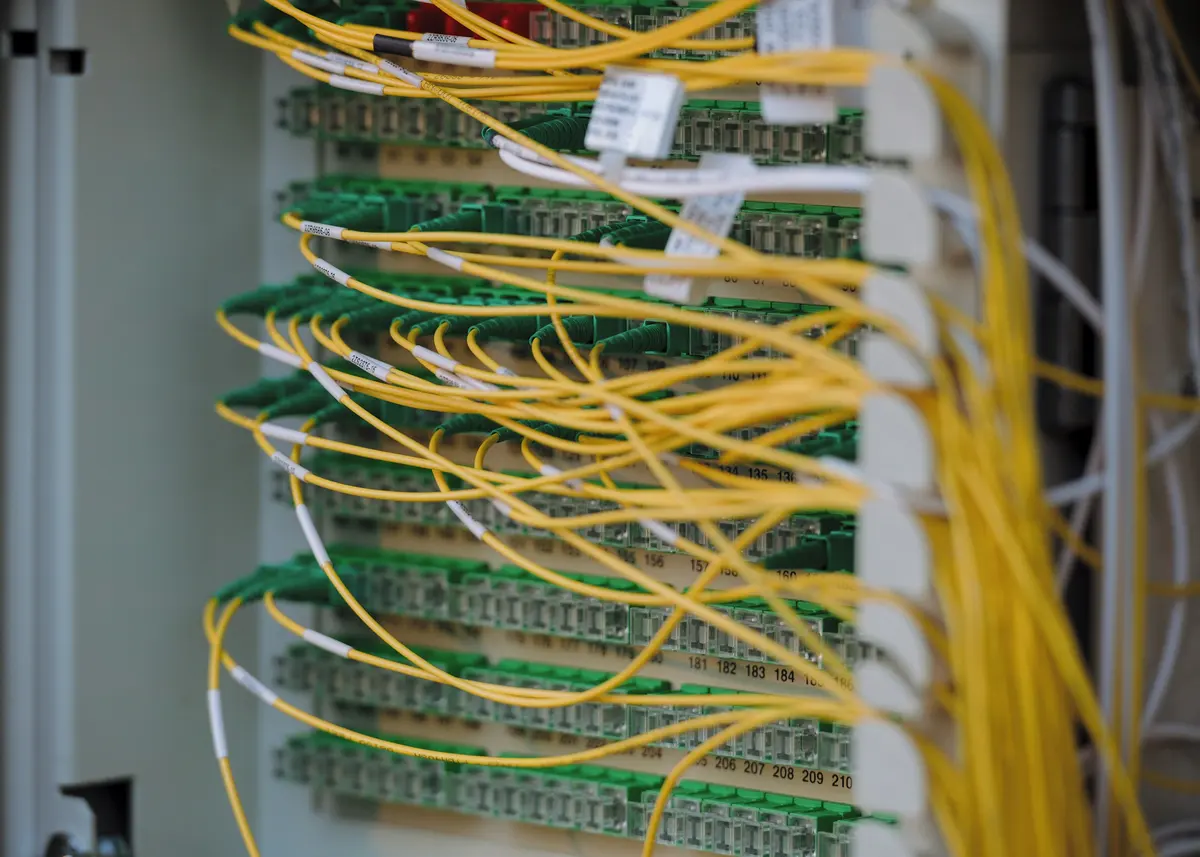
An IT services firm sets up a private AI box in each customer's office and runs it under its own name.
Safe to say yes, in writing.
-
“I'll pay and nothing will work.”It has to pass on your old work before it touches today's.20 of your past jobs, then live18 of 20 approved without changesFive working days of approved live workYour sponsor's written yes
-
“The price will creep.”One fixed price, in writing, before any work.Your proposalThe plan: one priceEach build: one priceThe run: a monthly fee
-
“I'll be locked in.”Stop any month and keep everything.JanFebMarAprstopMayJunThe month you stop, you keepEvery account, in your company's nameEvery line of codePlain files and a runbook
Your week, as it runs today.
IT resellers, system integrators and managed service providers earn a thin margin on hardware and licences and a better one on services, support contracts and renewals. Even at India's largest IT distributor, hardware earns a gross margin of only about 4 to 5% (MNCL research on Redington). So the firms that grow move from one-time boxes to recurring services, and the work is quotes, renewals, tickets, site visits and, more and more, security and data protection for their customers.
-
01
A customer wants a quote for 40 laptops and a firewall by evening, and the distributor's prices changed on Monday.
-
02
Three licence renewals lapsed last month because the dates lived in one person's sheet.
-
03
The helpdesk answers 'my mail isn't working' twenty times before lunch.
-
04
An engineer drives across town for something a password reset would have fixed.
-
05
A customer asks whether they're ready for the new data protection rules, and nobody knows what to say.
What it costs.
Our own sumOur engineers spend the day on password resets.
And the rest of the week
-
No number yet
Boxes earn us 4%, and we need something customers pay us for every month.
No figure we can stand behind yet, so we print none.
-
A study, 2014
Renewals lapse because the dates live in someone's spreadsheet.
Bain research found that raising customer retention by 5% lifts profits by 25% to 95%, and winning a new customer costs 5 to 25 times as much as keeping one (Harvard Business Review, 2014).
-
A study, 2023
A small customer gets hit by ransomware, and we're on call all weekend.
88% of Indian small and mid-sized businesses said they had a cyber security incident in the previous 12 months, 79% worry about ransomware and 96% said they might pay a ransom (ESET SMB Cybersecurity Report, surveyed in late 2023, published July 2024; vendor survey).
-
A study
Our customers ask about the new data protection rules, and we have nothing to sell them.
India's Digital Personal Data Protection Rules were notified on 14 November 2025, most duties apply from 13 May 2027, and failing to protect personal data can cost up to Rs 250 crore (Treelife summary of the Rules).
-
A study, 2025
Customers' staff already use free AI tools, and the customers ask us what to do about it.
77% of staff who use AI tools paste data into them, and 82% of those pastes come from personal accounts the company can't see (LayerX, October 2025). In India the average data breach cost Rs 22 crore in 2025, and unapproved AI use added about Rs 1.8 crore to it (IBM Cost of a Data Breach, India, 2025).
Ten systems for IT services, under the six offers.
We plan the whole company, then build the first three. The usual first build here is marked, and the window beside the cards shows the one you are reading.
Stay in controlYour staff already use AI. Your files go with them.
-
The usual first buildModels
Private AI you resell
A private AI setup for each of your customers, on a server in their office, with a knowledge assistant on their own files. We build, install and run it under your name.
-
Trust
Security watch for small customers
Watches customers' accounts and devices for risky sign-ins, leaked passwords and missed patches, and drafts the incident report when something happens.
-
Documents
Data protection kit
Maps where a customer keeps personal data and drafts the notices, consent records and breach steps the new rules ask for, for their lawyer to check.
Win customersLeads wait until Monday. The buyer doesn't.
-
Agents
Quote builder
Reads the customer's request, builds the bill of materials from live distributor prices and your margin rules, and leaves the quote for a salesperson's yes.
-
Conversations
Helpdesk agent
Answers tickets on chat, mail and WhatsApp, fixes routine ones such as password resets with permission, and hands the rest to an engineer with notes.
-
Knowledge
Engineer's briefing
Before each visit the engineer gets the customer's history, setup and the likely fix, and can ask the manuals with a photo.
-
Growth
New customer finder
Finds companies near you opening offices, hiring IT staff or posting tenders, and drafts a first message for your sales lead.
-
Voice
Support line
Answers support calls in the caller's language, from Hindi and Tamil to Arabic, logs the ticket and books an engineer when one is needed.
-
Intelligence
Account health view
Shows which customers are growing, going quiet or raising more tickets, so the account manager calls before the renewal.
Get the work doneEverything comes to you. Most of it shouldn't.
-
Operations
Renewal desk
Every licence, warranty and maintenance contract date in one place, with renewal quotes drafted 60 days ahead.
The same week, with them running.
The five moments from the top of this page, once the first systems do their part. Flip back to see how it runs today.
An example week. It shows how the work changes, never a measured result from a client.
- 01
Quotes are built from live distributor prices and your margin rule, ready for a salesperson's yes.
- 02
Every renewal is tracked, and the customer hears from you 60 days before it lapses.
- 03
Routine tickets are fixed by an agent with permission, and engineers see only the real ones.
- 04
The engineer arrives knowing what broke, with the right part in the bag.
- 05
You sell your customers a private AI and data protection package, built and run by us under your name.
- 01
A customer wants a quote for 40 laptops and a firewall by evening, and the distributor's prices changed on Monday.
- 02
Three licence renewals lapsed last month because the dates lived in one person's sheet.
- 03
The helpdesk answers 'my mail isn't working' twenty times before lunch.
- 04
An engineer drives across town for something a password reset would have fixed.
- 05
A customer asks whether they're ready for the new data protection rules, and nobody knows what to say.
The nearest work we have built.
Each piece names the kind of company it was built for. Where that is not your trade, it is the work closest to yours. Ask to see it running.
- AI services · Websites and guide engines Our own website Each trade page has an AI that speaks that trade. Built for our own company. Live
- Relocation and global mobility · Agents An AI agent in the team chat An AI agent sits in the team's group chat, answers from the company's own knowledge and takes on requests. Built for a relocation company with teams across India. Built
- Relocation and global mobility · Operating systems Relocation operating system Built so a relocation company can run on one system, with every case, vendor, payment, visa and home in it. Built for a relocation company with teams across India. Live behind a sign in
Signs it is time.
- Most revenue still comes from one-time hardware sales.
- Renewal dates live in a spreadsheet.
- Engineers handle routine tickets by hand.
- Customers are asking about AI or the data protection rules.
- They're starting or growing a managed services line.
Who decides.
The owner of the IT firm, with the head of services or sales.
Why this time is different.
AI that was bought and changed nothing.
A tool was bought and nobody owned the job. We take the whole job, test it on your past work, and stay to run it.
What IT firm owners ask first.
Do you sell to our customers directly?
Not if we're working together. You hold the relationship and the invoice if you want to. We agree who does what, who supports what and what each side can say in writing before the first customer.
What hardware, and whose margin?
Hardware passes through at cost on our side, so your margin on it is yours to set. We measure the job first, then name the machine. Nobody buys a box before the use case is proved.
Who supports it after install?
You take the first call, as you do today. We watch the agents and the models, fix what's ours and send the Friday note. The boundary is written down before the first install.
Who says yes before anything goes out?
The person who owns that job at your company today. You name them when we write the rules with you. Inside those rules the agent acts at once. Anything outside them waits for one tap from the person named, on their phone, ready to approve or to change.
Do we have to change the software we use?
No. We build around the systems you already run, in accounts in your company's name, and we confirm each one before we start.
What does it cost?
There is no price on this page, because it depends on the work. After the session you get a written proposal with the scope, the test it has to pass, who works on it and one fixed price, before any work.
Your staff already use AI. Your files go with them.
Give them a private AI that runs on your own servers, with your rules deciding what it may do alone and every step on record.
What changes. Your files stay inside, your rules decide what AI may do alone, and every step is on record.
What we measure, before and after. Company files pasted into public AI tools, filings and renewals first seen late and AI actions with no record.
The old way keeps running until the new one has passed on your own work.
What costs your IT firm most? Bring us that.
45 minutes on a video call with our founder and the people who live with the problem. Nothing to sign. You leave knowing what we would build first, and why.
Or write to us.hello@agentec.cloudAgentec on LinkedIn