The problem every owner has learned to live with.
Every business has one job that is always late, and after a while nobody sees it. That job is where AI earns its keep, and it is rarely where companies start.
Every company has a problem it has stopped seeing. The quote that takes three days, because one person prices it and that person is always in a meeting. The inbox only the owner can answer, because nobody else knows what to say about money. The spreadsheet with forty tabs that three people keep and nobody trusts. The website that looks fine and brought in two enquiries last year. The report someone builds by hand every Monday from the same five files.
None of these is a crisis, which is why they last. A crisis gets fixed, but a problem you have learned to live with gets a workaround, and the workaround becomes the job.
Where we learned it
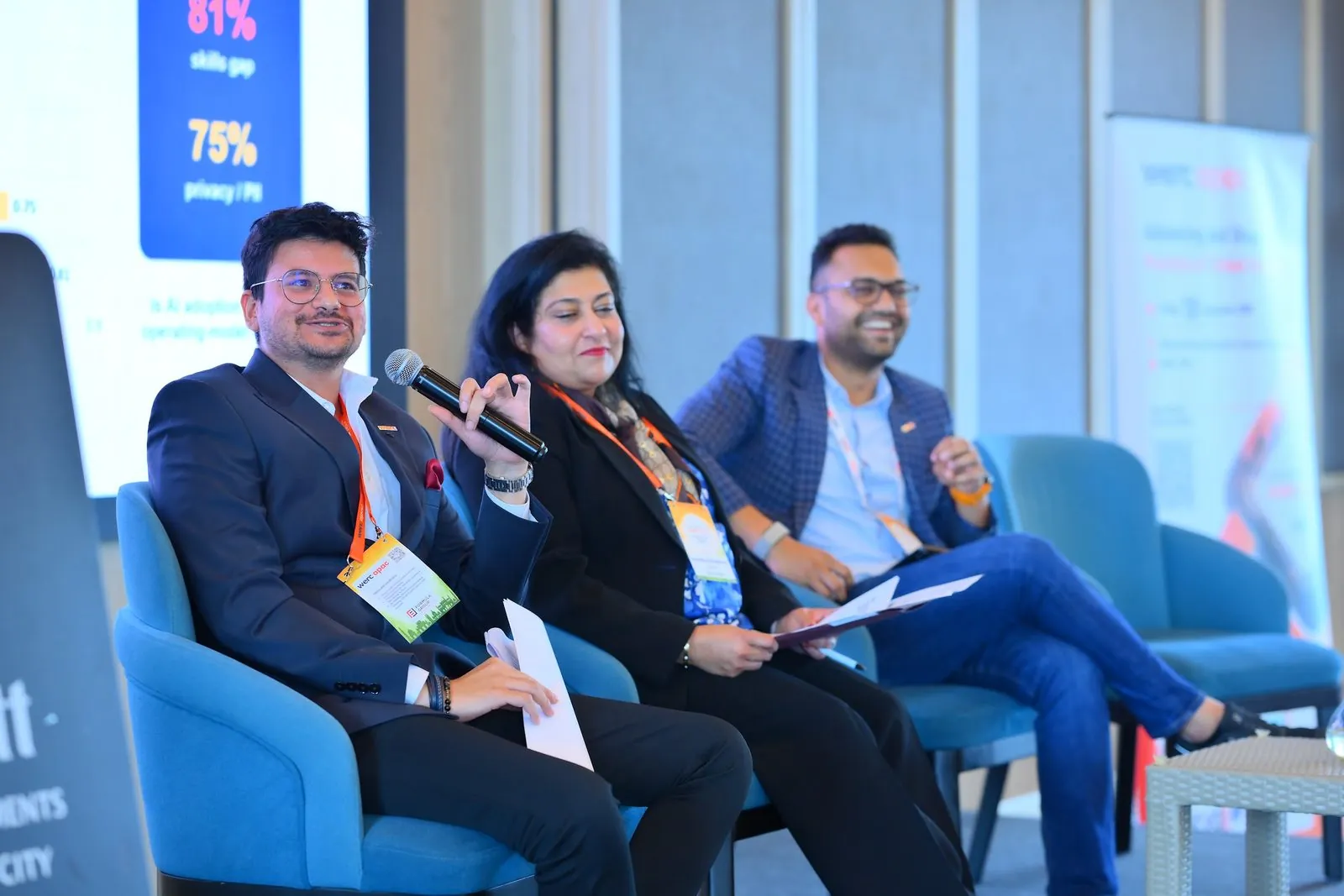
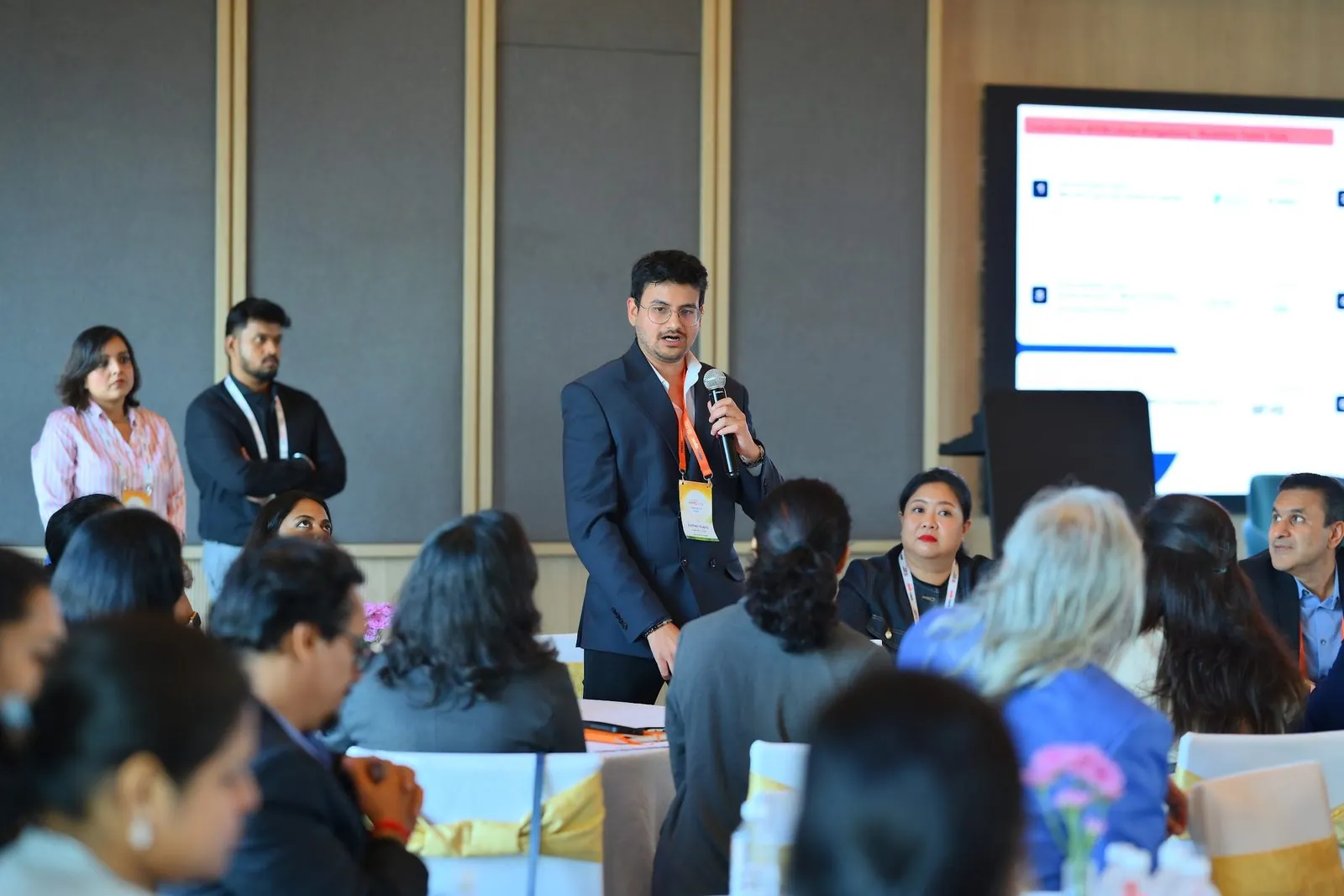
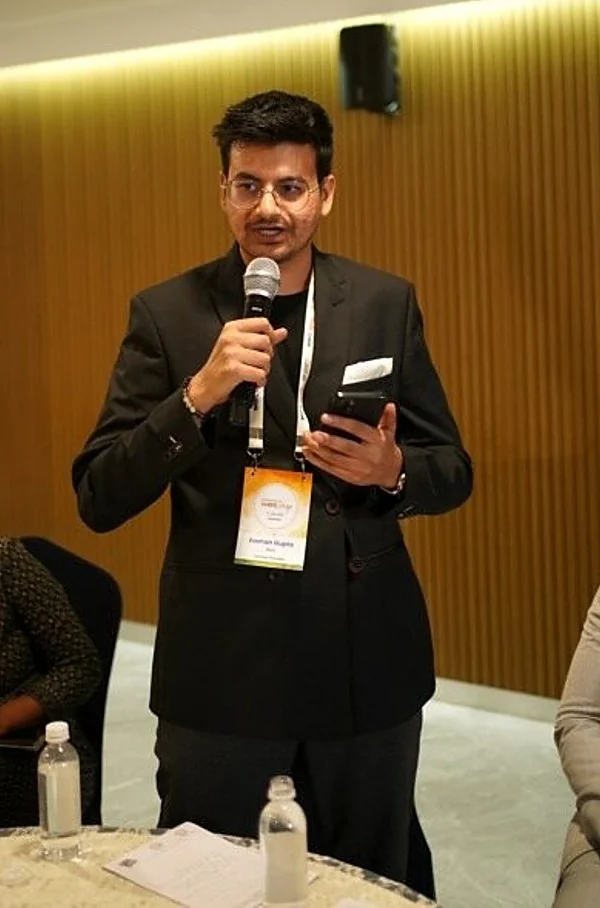
Our founder, Eashan Gupta, is the chief technology officer of IKAN, a relocation company with offices across India. IKAN had the same problems as everyone. The enquiry waited for the right person. The quote was retyped from a rate card. What anyone knew about a move lived with whoever answered the last email. The team worked around it the way good teams do, by answering whenever the client wrote.
He fixed it from the inside. IKAN-OS, the system he built there, won the FEM APAC EMMA for Most Innovative Use of Technology in Global Mobility, Bespoke Solutions, on 3 September 2026. The award is IKAN's. What we took from it is simpler. The problem everyone had learned to live with was the one worth fixing, and once it was fixed, everything after it moved.
Why buying AI changed so little
Plenty of companies bought AI this year and saw little change in how the work gets done. Someone has a chatbot subscription and a few people write emails faster, but the quote still takes three days. We see three reasons, and none of them is that the technology does not work.
First, the tools do not fit the exceptions, and a business is mostly exceptions. The customer who pays late but is worth keeping. The supplier whose invoice is wrong the same way every month. The client who agreed different terms years ago. A tool built for everyone handles the normal case and hands the exceptions back to the one person who already had no time.
Second, the people who could build the version that fits usually leave. A consultant maps the process and hands over a deck. A freelancer builds a demo that works on the day and is gone before it meets its first real exception. What is left nearly works, which is worse than not working, because now someone has to watch it.
Third, the one nobody says out loud. When the AI gets something wrong, who answers for it? If a quote goes out under your name at the wrong price, your client does not care that a machine drafted it. If nobody answers for the machine, the sensible thing is to keep a person checking everything. Now you have added a job instead of removing one.
What works
Pick the job that is always late, not the one that sounds most like AI. Build the version that fits your exceptions, on your own files and rules. Let your person say yes before anything leaves, in one tap, with the odd cases flagged instead of hidden. Keep it running, because the models will change and so will your business. And put a name next to it, so that when it is wrong you know who to call, and it is not your own staff.
Sometimes the answer is not AI at all. Some problems need a spreadsheet rebuilt properly, or a website with a form that works. When that is the answer, we say so, even when it earns us less.
We run our own firm the same way. Our agents draft our mail, keep our calendar and built this website, and a person checks what goes out.
Try it on yours
Do not start with a strategy. Start with the job that is always late. Write down who touches it, how long it waits, and what it cost the last time it went wrong. Then ask what would change if it were done the day it arrived, every time, with your person still saying yes.
That question is most of what we do. Bring it to us, and we start there.